School of Athens

School of Athens
School of Athens

Friday, February 10, 2012

Week of Feb. 6-10

Feb. 6/7
1. Unit 6 Test Debriefing/Test corrections
2. Causes of World War II
3. Response Activitiy (In Class)
**Quick-Write: A Mother's Response


Feb. 8/9
1. Response Activity (In class)
2. Could It Have Been Stopped

Feb. 10
3.  Ch. 16 sec. 1 Notes


8.1. As Germany, Italy, and Japan conquered other countries. Great Britain, France, and the rest of the world followed a policy of appeasement (giving in to keep peace) and did nothing to stop them.
8.2. British and French policy of appeasement and American isolationism failed to stop Fascist German Aggression.   In 1936, Hitler and Mussolini signed an alliance with Japan. In 1939, General Francisco Franco became Spain’s Fascist dictator.
8.3. Again breaking the Treaty of Versailles, Hitler continued aggressive movements to gain control of countries in Europe.  Again, Britain, France, and the world continued the policy of appeasement and did nothing. 
8.4. Hitler made more demands to increase the Third Reich (German Empire) and looked toward Poland. Britain and France said they would protect Poland.
8.5. September 1, 1939, the Germans rapidly attacked Poland with massive force.  September 3, 1939, Great Britain and France declared war on Germany
8.6. President Franklin D Roosevelt kept the United States out of the increasing aggressive acts in Europe, but provided aid for the Allies.
8.7. Allies political, diplomatic, and military leaders of WWII.
8.8. Axis political, diplomatic, and military leaders of WWII.
8.9. Major turning points and strategic decisions of WWII in the Europe Theater.
8.10. Major turning points and strategic decisions of WWII in the Pacific Theater.

8.11. The Nazi party policy of racial purity, especially against the European Jews, resulted in the murder of 11 million people, including 6 million Jewish civilians.
8.12. WWII cost millions of human live and billions of dollars in damages.  It left Europe and Japan in ruins.

Thursday, January 26, 2012

Week of Jan. 30-Feb. 3 (WWII)


Jan. 27/30
1. Fascism Quick-Write
3. Duck Soup Activity
4. Mussolini & Hitler


Jan. 31/Feb. 1
1. Person of Decade Presentations for those who want to present. (Due date also)
2. Hitler/Nazism


#1 The Nazi's: A Warning From History (Watch online OR above)
#1 The Nazi's: A Warning from History Questions

Timeline of the Nazi Party with primary sources

Power of the Nazi Propaganda


Feb. 2/3 
1. Unit Test Ch. 14 sec. 1/2 Ch. 15 sec. 1-3 (Russian Revolution & Rise of Totalitarian States)
Study Guide Items for Unit 6 (Click on Study guide to get file)
2. Ch. 15 sec. 4 Notes
3. WWII PPT
4. Could It Have Been Stopped (tentative)

Thursday, January 19, 2012

Week of Jan. 23-27


Jan. 23/24
**Life Under Stalin & Stalin Quick-Write
QUICK-WRITE: Discuss a time in your life that you were accused of something that you did not do OR discuss a time when you were guilty by association (if you cannot think of a time you can talk about someone you know that was in this predicament or you can discuss something you have read)
Conclusion: Living Under Stalin’s Russia (Soviet Union)
Write a letter to your cousin who lives in Western Europe explaining, what your life is like living in the Soviet Union with Stalin as your leader.  (Use your other readings, notes and text if needed to write a detailed letter.) Focus on the years 1933-1938.  It should be a minimum of three paragraphs.
·        A Ukrainian peasant
·        A communist party member
·        A school teacher
·        A widowed Soviet (your husband was killed by NKVD)
·        Or any other individual that you can think of…(Free Choice)


1. Age of Uncertainty Notes
2. Person of the Decade Power Point Project
***Note use the following source with your partner to develop your powerpoint if you want to avoid having to email it back and forth or to avoid meeting:  http://www.google.com/ (google documents), or
3. Global Depression


Jan. 25/26
***Quiz on Lenin to Stalin (Ch. 14 sec. 2)
1. Continue Global Depression pp.470-475

Jan. 27/30
1. Fascism Quick-Write
2. Rise of Fascism
3. Duck Soup Activity
4. Mussolini & Hitler
5. Dictator Chart & Blank Dictator Chart


Standards/Objectives:

7.1. The Russian Revolution began as a result of oppressive rule, social inequalities, and ruthless treatment of peasants. Czar Nicholas II continued the czarist firm rule, but began a program to build Russian Industries.
7.2. Although there was industrial progress in Russia, working conditions and exploited workers looked toward revolutionary movements.
7.3. Between 1904 and 1917, the Czar and Russia faced a series of crises that revealed the czar’s weakness and paved the way for revolution.
7.4. After returning from exile, Lenin and the Bolsheviks gained control of Russia and began to rebuild a new nation. 
7.5. After the death of Lenin, Joseph Stalin seized control and transformed the Soviet Union into a totalitarian state.
7.6. Up to WWI, society believed the Enlightenment ideals that progress should continue and reason would prevail.  The horrors of WWI changed the way people viewed the world through literature, art and intellectual life.
7.7. Also, the horrors of WWI lead to disillusionment in the arts.
7.8. WWI impacted the politics and economies of nations in Europe and in America.
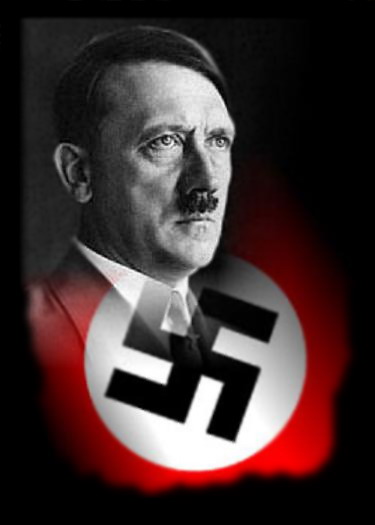
7.9. The economic crisis of the Great Depression led to the loss of democracy in some countries.  In Germany, people turned to strong ruler, Adolf Hitler, to try to solve their economic problems.
7.10. Social unrest and disappointment in the Treaty of Versailles led to the rise of Mussolini and Fascism in Italy.
7.11. Dictators took control of other European countries; only in nations with strong democratic traditions (Britain, France, and the Scandinavian countries) did democracy survive.
7.12. Fascism/Nazism and Communism are two different totalitarian political systems with some common characteristics.


Wednesday, January 18, 2012

Week of Jan. 17-20


Jan. 17/18

1. Conclude Animal Farm
  • Alternate Assignment for Animal Farm: p. 459 Question #2 Writing About History (5 paragraph essay)
2. Lenin to Stalin (Notes on Ch. 14 Sec. 2 click on Stalin's name)
  • Stalin: Most Evil Men in History
3. Totalitarian Dictatorship


Jan. 19/20
**Quiz on Ch. 14 sec 1
**Conclude Lenin to Stalin
1. Age of Uncertainty Notes
2. Person of the Decade Power Point Project


7.1. The Russian Revolution began as a result of oppressive rule, social inequalities, and ruthless treatment of peasants. Czar Nicholas II continued the czarist firm rule, but began a program to build Russian Industries.
7.2. Although there was industrial progress in Russia, working conditions and exploited workers looked toward revolutionary movements.
7.3. Between 1904 and 1917, the Czar and Russia faced a series of crises that revealed the czar’s weakness and paved the way for revolution.
7.4. After returning from exile, Lenin and the Bolsheviks gained control of Russia and began to rebuild a new nation. 
7.5. After the death of Lenin, Joseph Stalin seized control and transformed the Soviet Union into a totalitarian state.
7.6. Up to WWI, society believed the Enlightenment ideals that progress should continue and reason would prevail.  The horrors of WWI changed the way people viewed the world through literature, art and intellectual life.
7.7. Also, the horrors of WWI lead to disillusionment in the arts.
7.8. WWI impacted the politics and economies of nations in Europe and in America.
7.9. The economic crisis of the Great Depression led to the loss of democracy in some countries.  In Germany, people turned to strong ruler, Adolf Hitler, to try to solve their economic problems.
7.10. Social unrest and disappointment in the Treaty of Versailles led to the rise of Mussolini and Fascism in Italy.
7.11. Dictators took control of other European countries; only in nations with strong democratic traditions (Britain, France, and the Scandinavian countries) did democracy survive.
7.12. Fascism/Nazism and Communism are two different totalitarian political systems with some common characteristics.

Thursday, January 12, 2012

Week of Jan. 9-13

WELCOME BACK! 


JAN. 9/10
1. REVIEW 1ST SEMESTER FINAL EXAM
2. WORLD WAR I REVIEW/POST WWI
3. RUSSIAN REVOLUTION INTRO (TENT.) PP. 430-439
HW READ P. 430-439

NOTES:
CH. 14 SEC. 1
CH. 14 SEC. 2


JAN. 11/12
1. LAST OF CZARS
2. RUSSIAN REVOLUTION PPT


JAN. 13/17
ANIMAL FARM AS AN ALLEGORY OF THE RUSSIAN REVOLUTION
1. ANIMAL FARM HAND-OUT GRAPHIC ORGANIZERS
2. ANIMAL FARM QUESTIONS


7.1. The Russian Revolution began as a result of oppressive rule, social inequalities, and ruthless treatment of peasants. Czar Nicholas II continued the czarist firm rule, but began a program to build Russian Industries.
7.2. Although there was industrial progress in Russia, working conditions and exploited workers looked toward revolutionary movements.
7.3. Between 1904 and 1917, the Czar and Russia faced a series of crises that revealed the czar’s weakness and paved the way for revolution.
7.4. After returning from exile, Lenin and the Bolsheviks gained control of Russia and began to rebuild a new nation. 
7.5. After the death of Lenin, Joseph Stalin seized control and transformed the Soviet Union into a totalitarian state.
7.6. Up to WWI, society believed the Enlightenment ideals that progress should continue and reason would prevail.  The horrors of WWI changed the way people viewed the world through literature, art and intellectual life.
7.7. Also, the horrors of WWI lead to disillusionment in the arts.
7.8. WWI impacted the politics and economies of nations in Europe and in America.
7.9. The economic crisis of the Great Depression led to the loss of democracy in some countries.  In Germany, people turned to strong ruler, Adolf Hitler, to try to solve their economic problems.
7.10. Social unrest and disappointment in the Treaty of Versailles led to the rise of Mussolini and Fascism in Italy.
7.11. Dictators took control of other European countries; only in nations with strong democratic traditions (Britain, France, and the Scandinavian countries) did democracy survive.
7.12. Fascism/Nazism and Communism are two different totalitarian political systems with some common characteristics.

Thursday, December 8, 2011

Week of Dec. 5-9

Dec. 5/6
1. Condlude Prediction Cycle Maps (Hand-in)
2. Major Turning Points of WWI (In Class Activity)

Dec. 7/8/9
1. Major Turning Points Concluded
2. Battles/Major Turning Points Quiz
3. Human Costs of War and Colonial Contributions
4. Versailles Activity
5. Ch. 13 section 4 Notes "A Flawed Peace"


Final Exam Study Guide Part II (click on title to access worksheet) Due on Day of Final Exam along with Block Assessment Review Worksheet
Period 2 and 4 Final Exam December 15
Period 3 Final Exam December 14

Tuesday, November 29, 2011

Week of Nov. 28-Dec. 2 (World War I)

World War I Week and Due Date Week


Extra-Credit Reminder: Syllabus (click on syllabus link to the left)
Save These Directions: Extra-Credit For Semester Due Dec. 1-2 (Check your odd or even day)
Movie Choices are on the Syllabus...


Nov. 28-29---Thanksgiving Break Review Worksheet Due for all students with a C or lower grade.
1. World War I Causes--- WWI Ch. 13 sec. 1 (Get notes by clicking title)
2. Whose to Blame Activity? (Click Title to get hand-out)
**WWI -Quick Writes #1  (on hand-out link above) added to Imperialism Quick-Writes
**Complete Conclusion (C.) at bottom of page in 1 paragraph. Write it directly on same page with your quick-writes.


Nov. 30-Dec. 1--(Extra-Credit Due Dec. 1)
1. WWI Battles Activity-Prediction Cycle Map -- http://www.pbs.org/greatwar/maps (WWI Web-site)
2. Major Turning Points of WWI (tentative)

Dec. 2/5 (Extra Credit Due Dec .2)
1. Condlude Prediction Cycle Maps
2. Major Turning Points of WWI

Final Exam Study Guide Part II (click on title to access worksheet) Due on Day of Final Exam along with Block Assessment Review Worksheet
Period 2 and 4 Final Exam December 13
Period 3 Final Exam December 14


WWI STANDARDS/OBJECTIVES: CH. 13

6.1.  M. The arms race led to a concentration on large armies and the ability to mobilize quickly for war.  Militarism was a policy that came from glorifying military power and maintaining an army prepared for war. (364)
6.2. A.  Growing international rivalries led the nations to make military alliances.  Ironically, this Alliance system was to keep peace in Europe(364-365)
6.3. I. Imperialism and the competition among European nations over colonial holdings in Asia and Africa fueled rivalries. (363)
6.4. N.  Many people of Europe joined groups to work for peace.  A result of these groups is the developing force of a unifying movement known as Nationalism.  (363)
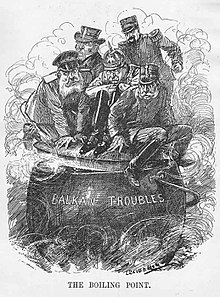
6.5. SPARKThe Balkan Peninsula was home to an assortment of ethnic groups with nationalist and ethnic disputes. The Balkans was known as the “powder keg” of Europe. (365-366)
6.6.  National goals and interest combined with the complex system of alliances divide European nations between the Central Powers and the Allies. 
6.7.  One European nation after another was drawn into a large and industrialized war that resulted in many casualties on many battlefronts.  WWI battles spread to several continents and required the full resources of many governments, including colonies. (367-371)
6.8.  Germany’s attacks on passenger ships and a German plot bring the US into the conflict. (373-376)
6.9.  WWI becomes a total war, and governments take control of national economies. (373-376)
6.10. In 1917, the United States entered the US on the side of the Allies.  War-weary Russians no longer supported the Russian Czar and the war; Communists seized the Russian government. (376, 390-394)
6.11. After winning the war, the Allies dictated a harsh peace settlement that left many nations feeling betrayed.  (380-383)
6.12. After The Great War, peace was uncertain because the treaty satisfied no one. The war had made a major impact on the world. (382-383)